
Accessories & Masks · 2 min read
How to Choose a CPAP Mask
The main CPAP mask types, how they differ, and what to consider before choosing one.
Read at your pace. Use this guide to form questions, not as a substitute for professional medical advice.
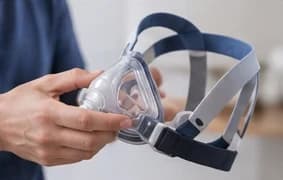
Mask fit affects comfort, seal, and how consistently you'll actually use your CPAP — it's worth getting right rather than treating as an afterthought.
The main mask types
- Nasal pillow masks — small cushions that sit just at the nostrils. Minimal contact, good for people who feel claustrophobic with a full mask, but only suitable if you breathe through your nose overnight.
- Nasal masks — cover the nose only. A middle ground between pillow and full-face masks; suitable for nose-breathers who want a bit more cushioning and stability than a pillow mask.
- Full-face masks — cover both nose and mouth. Necessary if you breathe through your mouth at night, or if nasal congestion is a regular issue for you.
What actually determines the right choice
- How you breathe overnight — mouth-breathers generally need a full-face mask; nose-breathers have all three options.
- Sleep position — side-sleepers sometimes find certain mask shapes dislodge more easily than others.
- Facial hair and fit — a beard can make sealing a nasal or full-face mask harder; nasal pillow masks are sometimes easier to seal in that case.
- Sensitivity to pressure on the face — some people prefer the minimal-contact feel of pillow masks; others find a nasal or full-face mask more secure and stable.
Fit matters more than brand
A mask that doesn't seal properly leaks air regardless of brand or price — see why a CPAP can feel like it's not delivering enough air, which is often a mask-fit issue rather than a machine problem. Cushions also wear out over time — see signs you need a new mask cushion.
Getting help choosing
You don't need to know the exact mask model to start — tell the CPAP Pakistan team how you sleep and breathe, and they can help you narrow down a suitable type. See CPAP accessories.