
Patient Guides · 2 min read
A CPAP Beginner's Guide: Your First Weeks
What to expect in your first nights and weeks with CPAP therapy, and practical ways to make the adjustment easier.
Read at your pace. Use this guide to form questions, not as a substitute for professional medical advice.
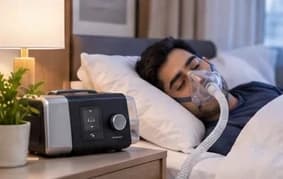
If you've just been prescribed CPAP, the first few weeks are usually the hardest part — not because anything is wrong, but because your body and routine are adjusting to something new. This guide walks through what a typical adjustment period looks like and where to focus your attention early on. It doesn't cover which machine to buy — see buying a CPAP machine in Pakistan for that decision.
The first few nights
Most people notice the mask and airflow before anything else. That's normal. Common early experiences include:
- Feeling aware of the air pressure, especially when breathing out
- The mask feeling unfamiliar or slightly awkward
- Waking up once or twice to adjust the mask
- Some dryness in the nose or mouth, especially without humidification
None of this means the therapy is wrong for you — it usually means your body hasn't adapted yet. See why you might feel more tired at first for more on this specific adjustment period.
Getting the mask fit right early
A poor mask seal is the single biggest reason people struggle in the first weeks — air leaks are uncomfortable and noisy, and a mask that's too tight is worse, not better. Spend time on fit before assuming the mask itself is the problem. See how to choose a CPAP mask and signs you need a new mask cushion.
Building the habit
- Use it every time you sleep, including naps — consistency from the start makes the adjustment period shorter, not longer. See should I use CPAP every night.
- Keep it clean from day one — a machine that isn't cleaned properly becomes uncomfortable and, over time, a genuine hygiene concern. See common cleaning mistakes.
- Expect a settling-in period — many people find the first one to two weeks the hardest, with things becoming more routine after that. If it isn't improving at all after several weeks, that's worth raising with your prescriber rather than waiting indefinitely.
When something feels like more than just "getting used to it"
A few things are worth mentioning to your prescriber rather than working around on your own: persistent shortness of breath, chest discomfort, or the pressure feeling clearly wrong for you (too strong or not enough). See what to do if CPAP doesn't feel like enough air for one common version of this.
What this page is not
This is general orientation for people new to CPAP, not a substitute for the guidance your prescriber or sleep clinic already gave you. If anything here conflicts with what they told you, follow their instructions. If you haven't been tested yet, see our page on sleep apnea testing.